Established the first laboratory in Pakistan for expression of foreign genes in algal hosts
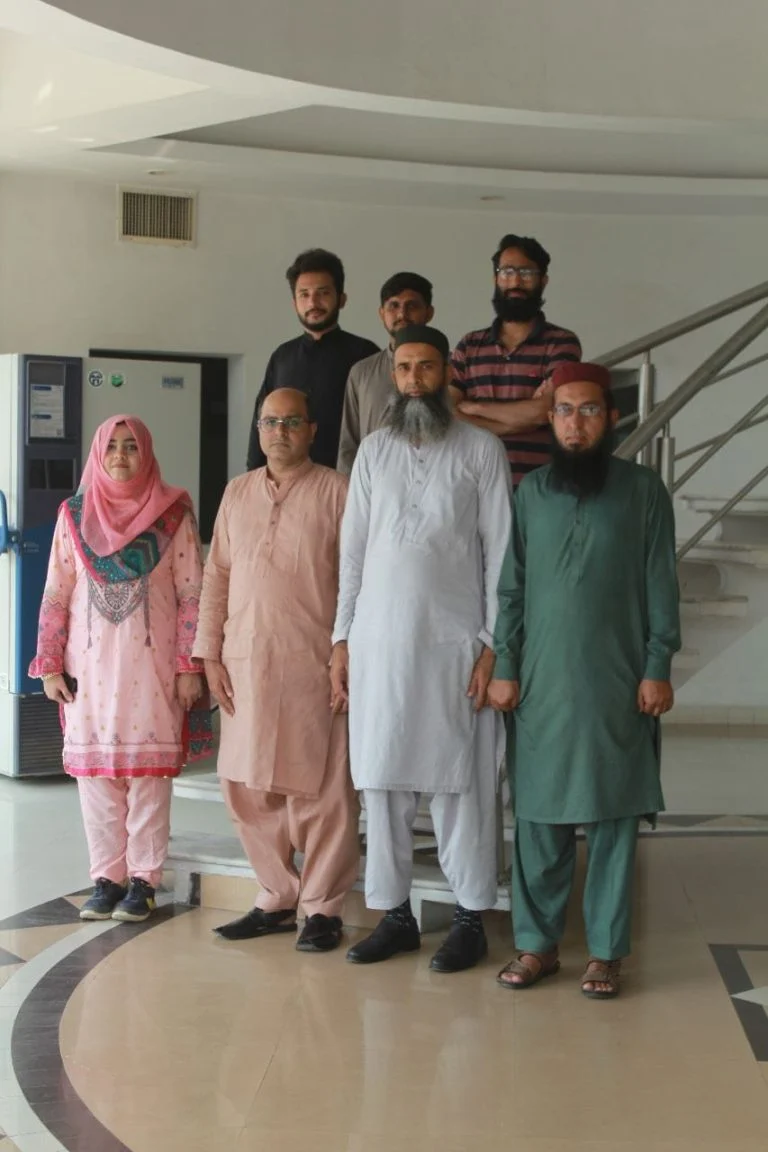
Research laboratory
Nutraceutical & Microbial Biotechnology
The Nutraceutical & Microbial Biotechnology Laboratory (NMBL) uses GMO and non-GMO approaches to address challenges in human health, livestock and halal food.
Research for health and halal food
From indigenous plants and algae to safe, affordable products.
Through its non-GMO approach the lab investigates the therapeutic potential of indigenous plants and develops herbal formulations for cancer, neurological diseases and metabolic liver diseases, integrating in vitro and in vivo pharmacology with computational approaches. On the GMO side, the group built the first facility in Pakistan for transgenic algae and works on algae-based biocontrol agents against mosquito larvae, algae-based edible vaccines for poultry, halal expression systems for food enzymes such as chymosin and lactoferrin, and the production of insulin in Pichia pastoris.
Algae biotechnologyHerbal therapeuticsHalal expression systems
- 1st
- laboratory in Pakistan for gene expression in algae
- 20
- medicinal plants active against hepatocellular carcinoma
- 8
- research scholars
- 7
- funded research projects
Research programme
Seven programmes, one translational goal.
Laboratory findings are translated into standardised, quality-assured, safe and affordable products, supported by preclinical validation, safety assessment and regulatory compliance.
- 01
Mosquito larvicidal algae
Development of self-sustainable mosquito larvicidal algae and related biosafety studies.
- 02
Algae-based edible vaccines
Development of algae-based edible vaccines for poultry and evaluation of their biosafety.
- 03
Halal expression systems
Algae as a halal expression system for the production of recombinant chymosin.
- 04
Recombinant proteins in yeast & bacteria
Therapeutic proteins in Pichia pastoris and bacteria, including human insulin precursor, with protein engineering, fermentation and downstream processing.
- 05
Medicinal plant screening
Screening and pharmacological evaluation of indigenous medicinal plants for anticancer, neuroprotective and hepatoprotective activities.
- 06
Herbal formulation development
Development, standardisation and preclinical validation of herbal formulations.
- 07
Clinical evaluation
Clinical evaluation of standardised herbal formulations.
Translation & outcomes
Firsts for Pakistan, with biosafety built in.
Transgenic algae, recombinant therapeutic strains and medicinal-plant discoveries, with patents filed and results published internationally.
Patent filed in Pakistan for a mosquito larvicidal algal strain
Patent filed in Pakistan for a Pichia pastoris strain expressing non-glycosylated human epidermal growth factor (hEGF)
Expressed the mosquito larvicidal Cry11Ba gene in the chloroplast and nuclear compartments of Chlamydomonas reinhardtii, and completed a 90-day subchronic oral toxicity (biosafety) study of the transgenic biomass in Wistar rats
Developed transgenic algae expressing a CTB-M2e fusion protein as a step towards a universal algal edible vaccine
Expressed the anticancer cytokine human IL-29 in Chlamydomonas reinhardtii
Developed recombinant bacterial and yeast strains expressing therapeutic proteins including interferon, insulin, G-CSF, IL-1Ra, IL-29, IGF-1 and EGF, and a Pichia pastoris clone secreting human insulin precursor with an established purification process
Developed transgenic cotton and tobacco expressing the insecticidal Bt gene
Organised the international workshop “Transgenic Algae for Sustainable Biotechnology: Tools, Techniques and Applications”
Published in the Journal of Biotechnology, Journal of Applied Phycology, AMB Express, Scientific Reports, Biologia, and Bioscience, Biotechnology, and Biochemistry
Identified 20 medicinal plants with potent activity against hepatocellular carcinoma (HCC)
Identified two medicinal plants with potential activity against Alzheimer’s disease
Research group
Faculty leading the programme.
Expertise in algal and microbial biotechnology, recombinant therapeutic proteins, pharmacology and herbal formulation.



Research students
The questions shaping nutraceutical biotechnology.
4 PhD scholars4 MPhil scholars
PhD research scholars 4

Maham Akram
PhD Research Scholar
Umm-ul-Hazeefa
PhD Research Scholar
Rabia Zarmeena
PhD Research Scholar
Kanwal Javaid
PhD Research ScholarMPhil research scholars 4
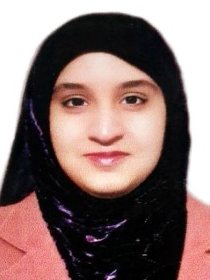
Muattar Kanwal Niazi
MPhil Research Scholar
Hajrah Nadeem
MPhil Research Scholar
Rabia Saeed
MPhil Research Scholar
Mehak Abbas
MPhil Research ScholarResearch funding
Competitive funding across algae, yeast and herbal research.
Projects funded by the Higher Education Commission and the University of the Punjab.
Active projects
Completed projects
Collaborate with the lab