
Developed four insect-resistant cotton varieties through the Seed Biotechnology Group’s breeding programme, approved by the Punjab Seed Council and commercialised as CEMB 33, CA12, CEMB 66 and CEMB 100
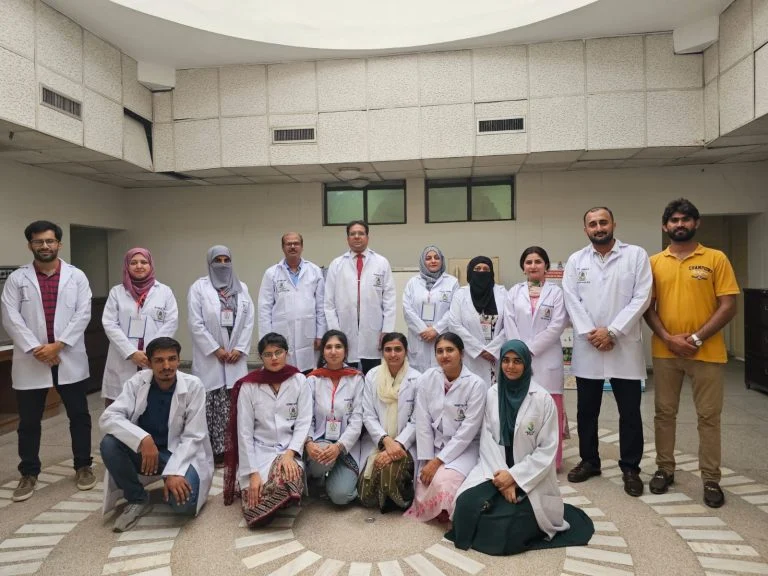
Research laboratory
Plant Biotechnology
The Plant Biotechnology Group advances crop improvement through CRISPR genome editing, molecular breeding and plant-based vaccine platforms, with a focus on cotton, potato and edible vaccines for livestock.
Research with field and farm impact
From precise gene edits to crops and vaccines that work in the field.
Under Prof. Dr. Abdul Qayyum Rao, the group uses CRISPR-Cas9, CRISPR-Cpf1 (Cas12a) and CRISPR-Cas13 to improve cotton’s tolerance to abiotic stress, insect pests and fungal disease, and to extend potato shelf life, disease resistance and nutritional value. It has developed a transgene-free genome-editing technology based on FLP-FRT site-specific recombination, and plant-based edible vaccine candidates against Newcastle disease, infectious bursal disease, avian influenza and foot-and-mouth disease using maize and alfalfa. Through training, technology transfer and industry collaboration, the group turns these advances into practical solutions for sustainable agriculture, food security and animal health.
CRISPR genome editingCotton & potato improvementPlant-based edible vaccines
- 23
- research scholars
- 9
- commercialised cotton varieties with Seed Biotechnology
- 4
- patents granted by IPO Pakistan
- 4
- plant-based vaccine candidates
Research programme
Six programmes, one mission.
Genome editing, molecular breeding and plant molecular farming, pursued together for crops, livestock and poultry.
- 01
Cotton improvement
Tolerance to drought, heat, waterlogging and salinity; resistance to pink bollworm, whitefly, aphids, jassids, thrips and Cotton Leaf Curl Virus; Verticillium- and Fusarium-wilt-resistant cultivars; and compact, early-flowering plant architecture.
- 02
Potato improvement
Longer shelf life and post-harvest quality, resistance to scab, PVX, PVY and fungal pathogens, biofortification with essential vitamins, and higher biomass and productivity.
- 03
Advanced genome editing
CRISPR-Cas9, Cpf1/Cas12a and Cas13 with multiplexed editing, integrated with functional genomics and molecular breeding for high-yielding, climate-smart cultivars.
- 04
Transgene-free genome editing
FLP-FRT site-specific recombination to excise selectable markers and other introduced elements, producing genome-edited plants without stable foreign DNA.
- 05
Plant-based edible vaccines
Vaccine candidates against NDV, IBDV, AIV and FMDV expressed in maize and alfalfa, with antigen stability, immunogenicity and efficacy evaluated for livestock and poultry.
- 06
Translation & capacity building
Workshops and hands-on training in genome editing, technology transfer and R&D support for industry, and academia–industry partnerships for agriculture and veterinary sectors.
Translation & outcomes
Varieties, patents and vaccine candidates.
Commercialised cotton varieties, granted patents, genome-edited potato lines and plant-based vaccines in trials.
Developed five insect- and herbicide-resistant cotton varieties with the CEMB Seed Biotechnology Group, approved by the Punjab Seed Council and commercialised as CKC1, CKC3, CKC5, CKC6 and CEMB AAS3
Developed five-gene cotton lines (trade name CKK) with enhanced resistance to chewing and sucking insects, transferred to the Seed Biotechnology Group for variety development
Developed fusion-gene technology for the CKC and CKK cotton platforms to sustain resistance against pink bollworm and whitefly
Developed genetic strategies against sucking insects through wax-structure, terpenoid-biosynthesis, lectin, aspartic-acid and jasmonic-acid pathway genes, transferred to the breeding team
Developed an alternative insect-control strategy based on methanol production on the cotton leaf surface
Improved fibre length, strength and micronaire in transgenic cotton, and raised Desi cotton (G. arboreum) staple length and micronaire to 26.2 mm and 5.6
Established CRISPR/Cas9, Cas12, Cas13 and RNAi approaches against cotton and potato viruses, improved drought tolerance through transcription-factor expression, and engineered the flavonoid pathway in cotton
Developed genome-edited potato with enhanced shelf life (commercialisation in progress), plus pathogen-resistant and biofortified potato lines
Developed plant-based oral vaccine candidates against NDV, AIV and IBDV in alfalfa and maize, and an edible vaccine candidate against FMDV; trials are in progress
Achieved expression of human serum albumin in Aloe vera for potential cosmetic use, particularly products that reduce the appearance of dark circles
Patents granted (IPO Pakistan): novel transgenic approach to decrease the cost of cotton production (#142243, 2016); NDV edible vaccine in plants (#144424, 2025); CRISPR/Cas9 editing of potato vacuolar invertase to reduce cold-induced sweetening (#144591, 2026); Vip3Aa and ASAL vector for insect-resistant cotton (#144596, 2026)
Patent applications submitted (IPO Pakistan): CRISPR-based editing against insect pests and viruses (222/2022); edible vaccine against avian influenza H9N2 (223/2022); resilience of transgenic insect-resistant cotton (1/2024); Aloe vera modified with human serum albumin (699/2024); chloroplast expression vector for Medicago sativa (667/2026)
Testing services: photosynthetic activity by infrared gas analyser (PKR 500 per sample); FISH transgene detection (PKR 10,000 per sample); FISH with karyotyping (PKR 15,000 per sample)
Research group
Faculty leading the programme.
Expertise across genome editing, cotton and potato biotechnology, molecular breeding and plant-based vaccine development.
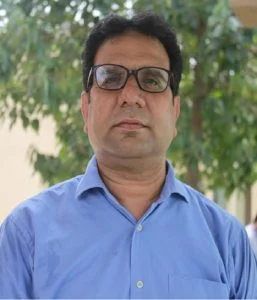
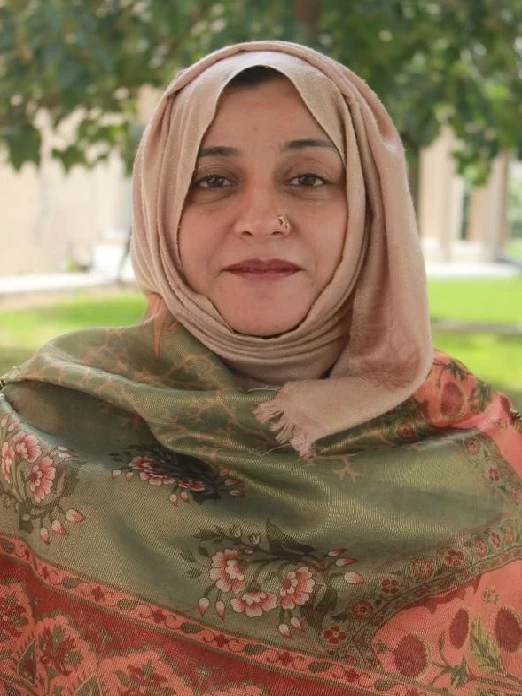

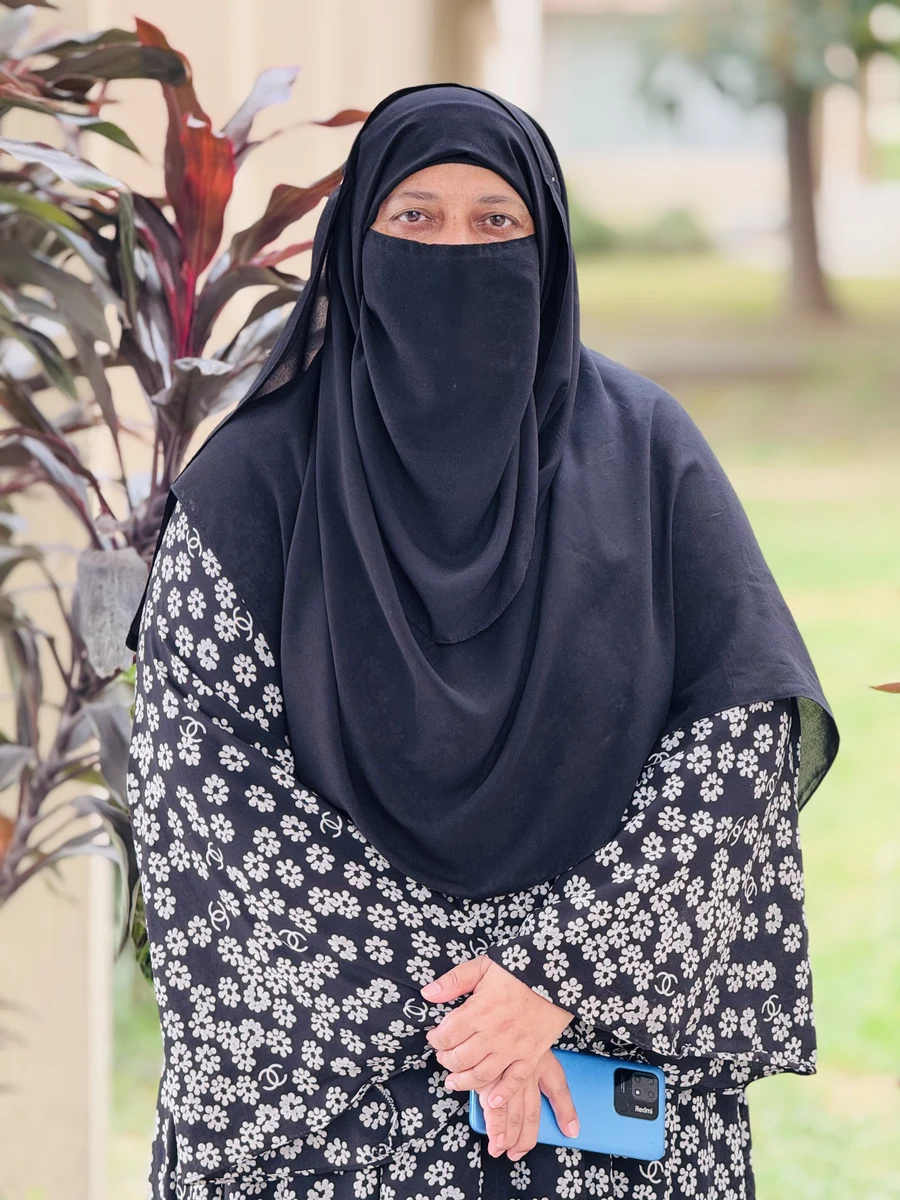
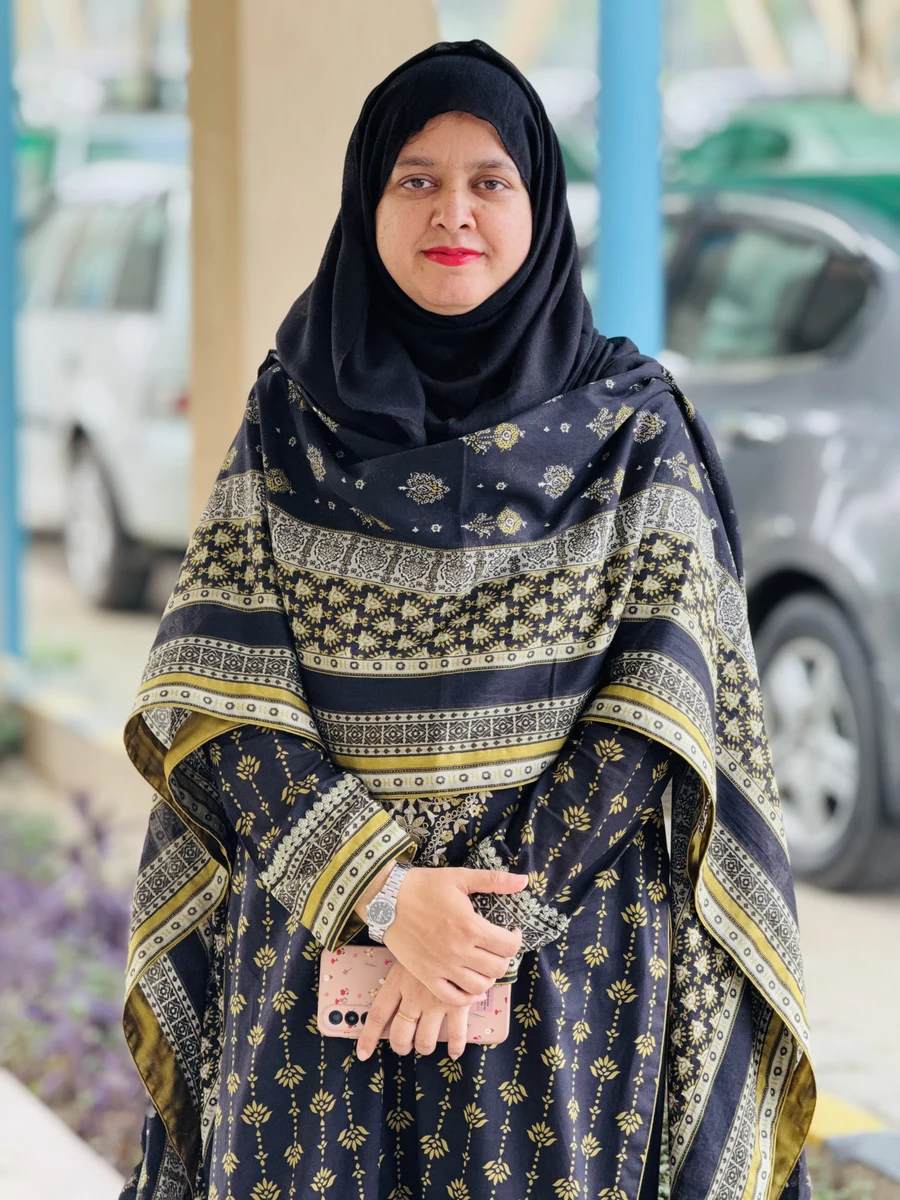
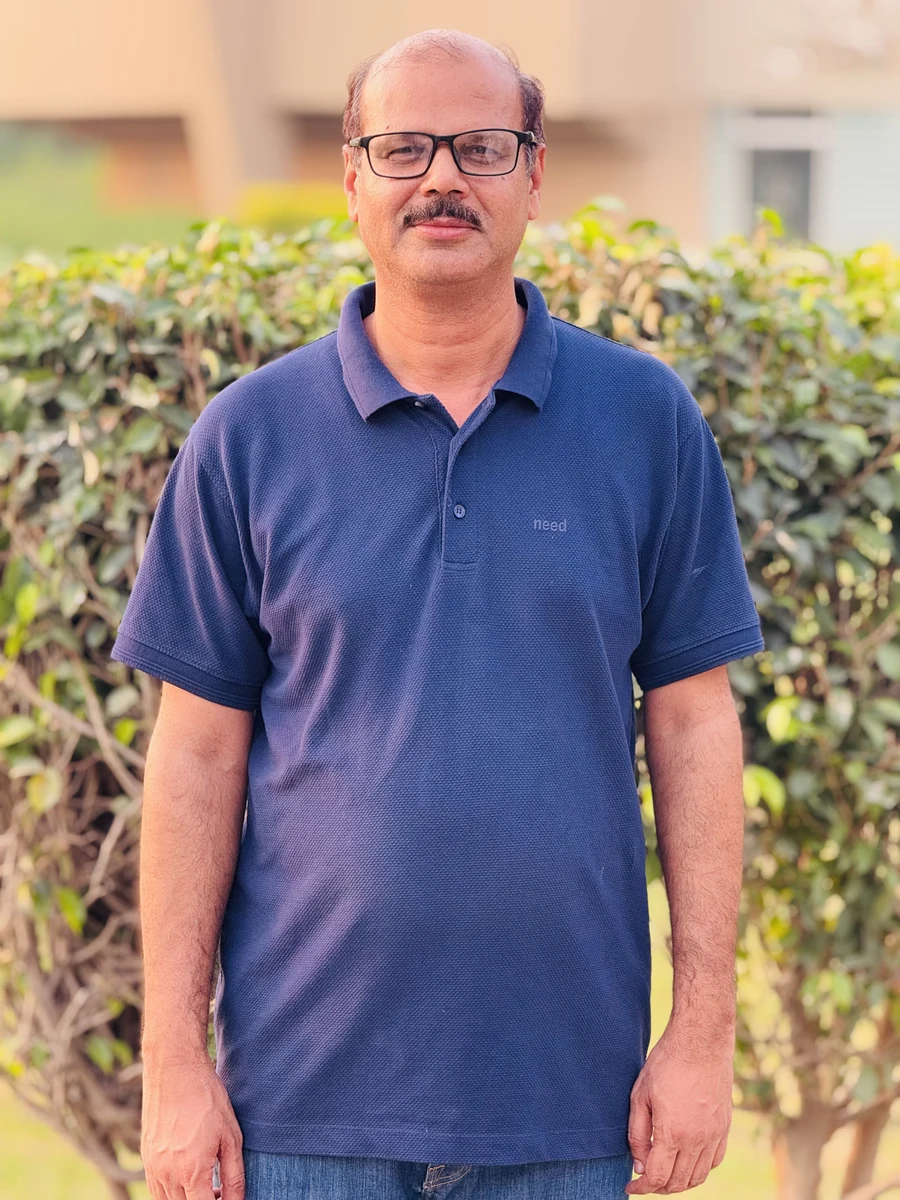
Research faculty
Dr. Tahir Rehman Samiullah
Assistant Professor
Research students
The questions shaping tomorrow’s crops and vaccines.
15 PhD scholars8 MPhil scholars
PhD research scholars 15
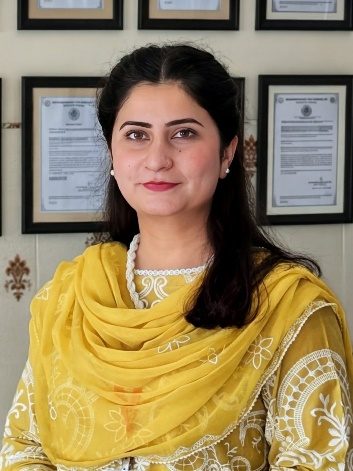
Sahar Sadaqat
PhD Research ScholarFunctional genomics to genome editing: plant stress and disease management via Cpf1-based genome editing in cotton
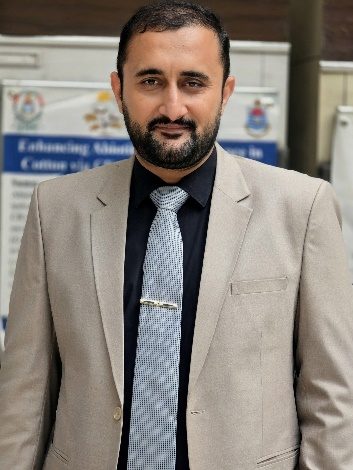
Muhammad Awais
PhD Research ScholarCRISPR-Cas9-mediated genome editing to develop transgene-free, biotic-stress-resistant potato (Solanum tuberosum L.)
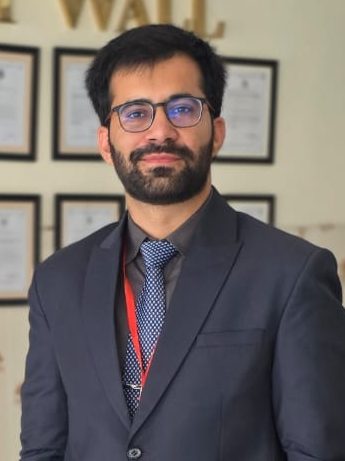
Muhammad Saad Bhutta
PhD Research ScholarDevelopment of a poly-epitope-based edible vaccine targeting structural proteins of foot-and-mouth disease virus in Medicago sativa
Huda Rehman Mir
PhD Research ScholarTargeted acetolactate synthase gene mutagenesis: an approach to generate multiple-herbicide resistance in cotton

Sehar Zulfiqar
PhD Research ScholarTailoring cotton architecture with genomic bioengineering to improve high-density cultivation and mechanical harvest

Sidra Qayyum
PhD Research ScholarDevelopment of a chimeric edible vaccine targeting structural proteins of Newcastle disease virus and infectious bursal disease virus
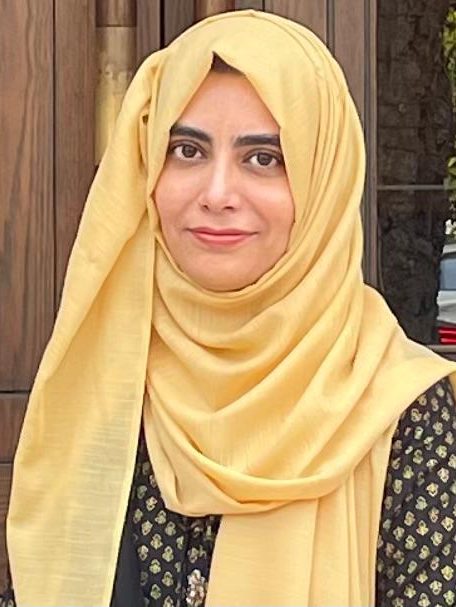
Sania Naeem
PhD Research ScholarCRISPR/Cas-mediated glycoengineering of alfalfa for enhanced immunogenicity of a multi-epitope Newcastle disease virus vaccine
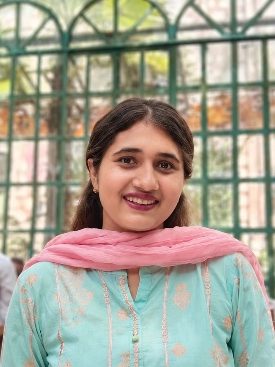
Narmeen Tariq Zaman
PhD Research ScholarTargeted genetic manipulation of cotton defence mechanisms for sustainable resistance against sucking pests
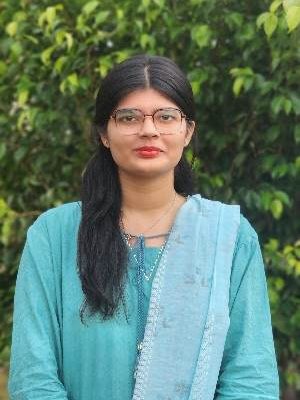
Noreen Iftikhar
PhD Research ScholarPrecision engineering of the florigen–antiflorigen transcriptional module for early flowering, stress escape and climate-resilient cotton
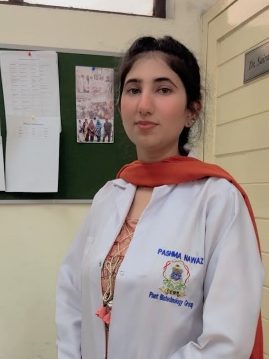
Pashma Nawaz
PhD Research ScholarCRISPR/Cas9-driven modification of potato dry matter and starch for improved nutritional properties
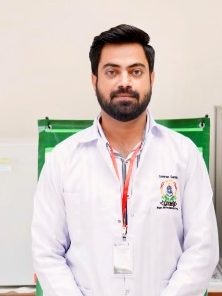
Samran Sardar
PhD Research ScholarCRISPR/Cas9-mediated editing of a stress-responsive regulatory gene to reduce boll shedding in cotton
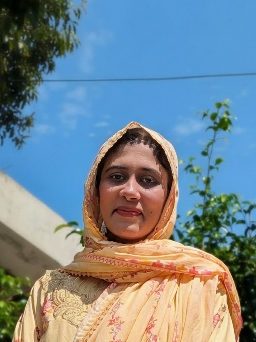
Laiba Khalid
PhD Research ScholarNewly enrolled, 2025–2030 · research title to be finalised
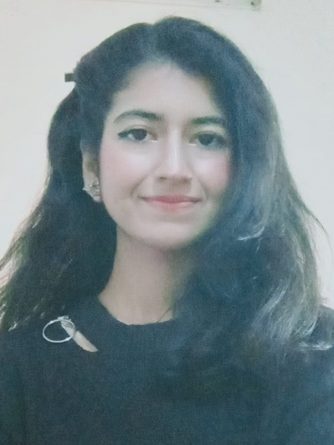
Rutaab Shereen
PhD Research ScholarNewly enrolled, 2025–2030 · research title to be finalised

Taimia Mujahid
PhD Research ScholarNewly enrolled, 2025–2030 · research title to be finalised
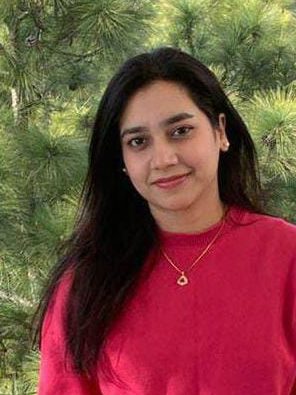
Zaveeba Shahid
PhD Research ScholarNewly enrolled, 2025–2030 · research title to be finalised
MPhil research scholars 8
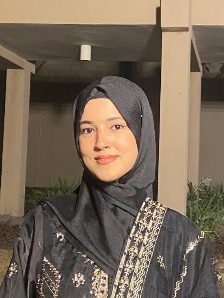
Aleeza Khan
MPhil Research ScholarNewly enrolled, 2025–2027 · research title to be finalised
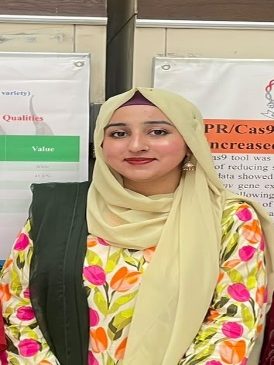
Maryam Shaukat
MPhil Research ScholarNewly enrolled, 2025–2027 · research title to be finalised
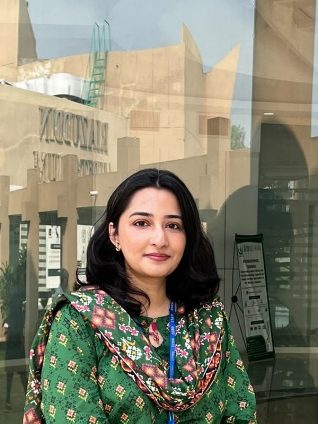
Sara Sherazi
MPhil Research ScholarNewly enrolled, 2025–2027 · research title to be finalised
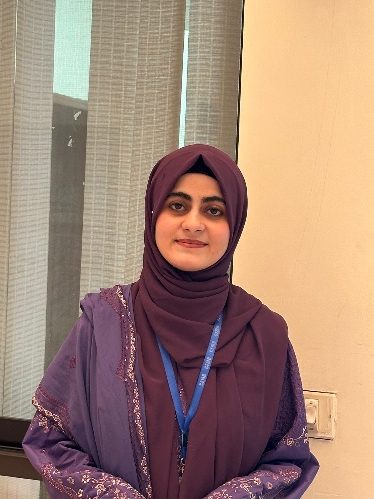
Minhal Malik
MPhil Research ScholarNewly enrolled, 2025–2027 · research title to be finalised
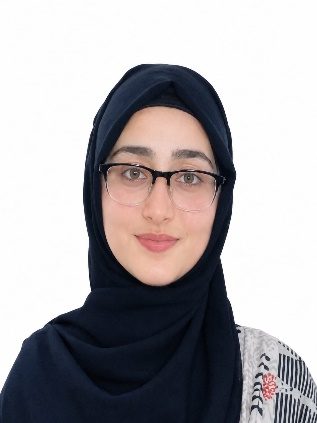
Emaan
MPhil Research ScholarNewly enrolled, 2025–2027 · research title to be finalised
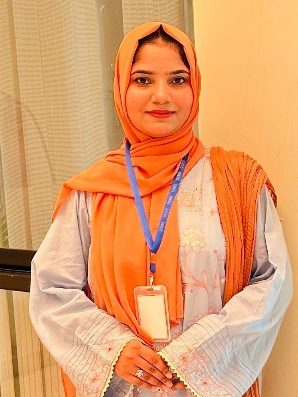
Hina Javed
MPhil Research ScholarNewly enrolled, 2025–2027 · research title to be finalised

Jaweria Naz
MPhil Research ScholarNewly enrolled, 2025–2027 · research title to be finalised

Musfira Ashraf
MPhil Research ScholarNewly enrolled, 2025–2027 · research title to be finalised
Research funding
Fifteen years of national and international funding.
Projects funded by HEC, the Pakistan Science Foundation, the Punjab Agriculture Research Board, the Islamic Development Bank, the Humboldt Foundation, ICARDA and industry.
Active projects
Completed projects
Collaborate with the lab